Sorry for having been so absent lately.
I know Oscar season's coming up, I'm not sure I'm gonna get my nomination predictions out in time or not right now, but I will be trying to this weekend as much as I can.
In the meantime, I don't usually mention celebrity passing when doing these, or most recent Hollywood news anymore, but I wanted to mention the passing of Clarence Gilyard. He's a character actor who I knew mostly from "Matlock" growing up, playing Conrad McMasters, but many of you might know him from "Walker, Texas Ranger", or possibly as one of the villains from "Die Hard", a role he had recently reprised in a short a couple years ago. I knew him as Professor Gilyard. I never actually had a class with him, but I did get to work with him on a set once. I didn't get to see much of him acting unfortunately, cause I had the job of holding a light up from behind a giant wall and through a large window, but I really enjoyed my time with him. After the shoot, he bought us all Guiness at the Crown & Anchor bar on Tropicana and Paradise, and he talked about soccer as he was looking forward to the World Cup in South Africa at the time. Every time I crossed paths with him after wards, he's smile and say hi to me. He was an incredibly nice guy, I never heard one bad word about him, and I can definitely tell you that I wished I took more acting classes just so I could've worked with him more. He was a really good actor who was still in demand, apparently he just loved teaching and decided to stay on at UNLV, and I'm glad he did. He was suddenly the last few months or so and he suddenly passed away last month. I'm glad for the few memories I had with him.
Anyway, I just wanted to mention him. I'm still behind in movies and I probably will remain so for awhile, but don't confuse being behind with being dormant. It's my 200th batch of official movie reviews on this blog, so thank you all for those who do read me, those who've been here from the beginning, those who check in only occasionally, and those who might be running into my work for the first time. Who knows what this blog's future holds, but thanks to all those who read me.
Alright, let's get to the reviews. We got a lot to get through this time around.
CODA (2021) Director: Sian Heder
⭐⭐⭐⭐1/2
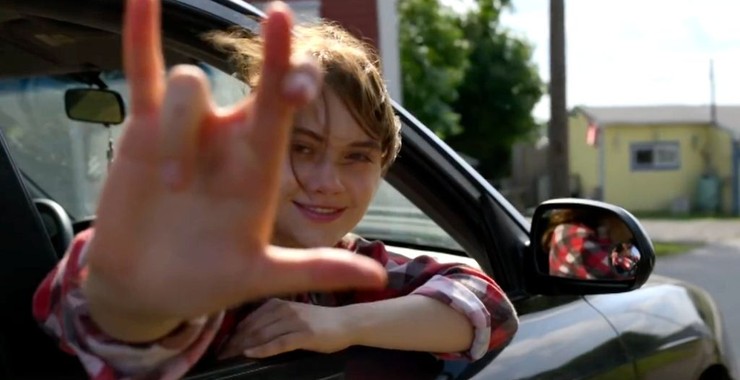
So, before "CODA" came in and completely blindsided the Oscars last year, sneaking in with three nominations and winning all three of them, including Best Picture, the first time a film won Best Picture with that few nominations since, eh....- I don't know, "Grand Hotel" I think? before that, the last time a movie that centered around the deaf/ASL community was "Children of a Lesser God". It's a favorite of mine, it's a good movie, and it featured a lot of the biggest and best deaf performers of their day; it actually originated as a Tony-winning play years earlier, and 'til "CODA", I think I'd argue that it was still the biggest piece of art to really showcase ASL, at least in modern American pop culture.
That said, there are problems with it. For one, it's a movie that's main protagonist character is a white male who can hear, and he talks a lot, even at one point, joking about how he likes to hear the sound of his voice while he's in a discussion with his deaf lover. Another is that, if you know about Marlee Matlin and William Hurt's real life romance that bloomed from that film, um, it becomes a lot harder to watch.... I won't go into details but-eh, that was not a good relationship. The third thing though, is that, it's not actually that good at showcasing ASL. I mean, it is, compared to most other mainstream movies but, their are definitely scenes that are shots done in such a way where, the mise en scene advances the emotional story, sure, but they actually don't show the sign language, which is kinda rough if you are deaf. Like, I get why you'd show a closeup of somebody in most cases, but when they're speaking with hands and you can't always see their hands.... I mean, here's a movie about deaf people and the sign language is not always visible, that's kind of an issue. Director Randa Haines was mostly a television director previously and eh, she basically was afterwards, it's still a good movie 'cause it's a good story, but I know opinions within the ASL community is a bit mixed on it overall.
There's also been other films and TV series in recent years that have shown many different aspects of deaf culture and people. My favorite is probably the Ukrainian film "The Tribe" which takes place entirely within a school for the Deaf and doesn't even have subtitles. In recent years in America, the "A Quiet Place" movies have become a major franchise where ASL is integral to the plot and story, and is showcased mostly well enough. However, another title in recent times is the French film, "La Famille Belier" or "The Belier Family" which inevitably got adapted into "CODA", which is an acronym for "Children of Deaf Adults". I haven't seen "The Belier Family", but it did reasonably well critically, and was nominated for a decent amount of Cesar awards among others and while based on the trailers, it looks like the same movie essentially but the French film seems to be much more obviously comedic and focuses more on, well, the entire family and all their quirks and such. That might've been a pretty good idea, 'cause I'll say this, "CODA" is definitely better than "Children of a Lesser God".
It still focuses mainly on a character who can hear, and isn't deaf, Rubi (Emilia Jones), the daughter of a family of fisherman, all of whom are deaf and rarely, if ever actually talk verbally, although they do make quite a lot of noise. Ruby is the only family member who can hear, so she's spent her whole life as the interpreter, and being the only deaf family in a seaside town, makes her quite the outsider. Her father Frank (Oscar-winner Troy Kotsur) goes out to the sea every morning trying to make the daily catch. He's one of many fisherman who are getting a little screwed over as they struggle to move their product to the auction, and he's particularly getting screwed since he's deaf and him and his son Leo (Daniel Durant) need Ruby around to both help out on the ship and work as an interpreter and handle things like the radio communications and let them know when something on the ship doesn't sound right. Her mother Jackie (the aforementioned Marlee Matlin) who also helps out when she can with the business when not working around the house. It is noted that she's a former beauty queen, which...- okay, that got a chuckle out of me when this was first brought up at the family dinner table in the beginning, and I don't know if this came from the French version too, but in America anyway, there used to be a really old dumb joke about Miss America being deaf, and then the person you're talking to would say something like "Really?" or something, and then you'd pretend you didn't hear them, like you're Miss America. It's a really old dumb joke. I don't know when it started, but in '94, Heather Whitestone actually did become the first deaf Miss America. You'd think that would've made that stupid joke obsolete but it actually made it more popular for a time; I heard that joke and told that joke a lot as a kid. Nowadays, nobody knows what Miss America even is, so it doesn't matter, but anyway.....
Behind helping out her parents in class, struggling not to fall asleep in class, while being the butt of ridicule by some of the more particularly cruel kids, and even her best friend Gertie (Amy Forsyth) partially hangs around her to flirt with her older brother. There are laughs here, I should point out, but I was much more attracted to Ruby's struggles to make sacrifices for her family. Partially, this is just me, as somebody who has a brother who's autistic, I know about having to make sacrifices in order to keep the family going. I also know about how difficult it is to break out of it and try to find your own voice and how hard it is to go out on your own when you're not sure your family can hold it together without you.
On a whim, she ends up applying for a choir class in school to be near a crush of hers, Miles (Ferdia Walsh-Peelo), and possibly because she likes to sing, and it turns out, after some initial struggle, she's really good at it. Her teacher, Mr. Villalobos (Eugenio Derbez) sees something in her and her struggles and she begins to get inspired. That's not an aspect I can relate to, being heavily inspired by something that nobody else in your family is really able to appreciate. It's funny, I've often heard about people who did get into music after having a relative, usually a parent who was deaf, but I don't remember seeing to many pieces of media telling a story about one of them. Usually, it's the opposite, it's a story about a person inspired by music who has to learn how to deal with someone close who's deaf, like Lily Tomlin's character in "Nashville" or-eh, Richard Dreyfuss title character in "Mr. Holland's Opus".
Another reason why "CODA", on top of focusing mainly on the daughter instead of the whole family, is also, just a better title, is because the film's musical coda itself, is quite moving. It could've been simple and cheesy on the paper, but I did find it inspiring how not only Ruby would evolve through singing, but through her evolution into being inspired by singing and performing that the rest of her family would begin evolving themselves to a life where she wouldn't be as needed. Yeah, it might've mostly been done through a somewhat contrived musical montage sequence, but it's done to one of those great songs that always make me cry and get inspired. (I won't say which one it is, but it's also a very good song to see performed, while being signed, and I've seen it signed in performance before.)
Actually another problem with "Children of a Lesser God", that "CODA" also fixes in a sense, is how a lot of the conflict within that film is about how the main deaf character is often just pressured to be more like those in the hearing world and act and behave like them. It leads to a powerful scene in that film, but it's mostly because the acting is so great, and not because it's a greater inner conflict the deaf character has, even though it's presented that way, it's really something forced upon her by her hearing boyfriend. Here, it's the exact opposite. Her deaf family don't have to adapt to the more hearing world, they just have to go out there and put themselves out there to the world. They're deafness has been used as a limitation for them not to say, start their own fish co-op outside of the Union, and now it's actually costing them when government regulators are trying to come in and make their jobs more difficult with the possibility of not having Ruby alongside them to bridge the gap. Their deafness isn't something they have to overcome, it's their excuse for not trying to overcome their own fears and issues. And that's a great big difference.
"CODA" is only the second from writer/director Sian Heder, she's also mostly worked on television, but her first feature was the Sundance hit "Tallulah", and I think she was on to something here. The acting helps this movie a lot, there's a great cast here, I particularly want to focus on Eugenio Derbez's performance, 'cause this was a role that very easily could've been nothing and yet, arguably the whole movie hinges on it. The teacher/mentor who sees something, and yet he's a complex character as well, and you do buy him as an inspiring teacher, who can infer a lot from a few words and gestures. By the end of the movie, you can tell what he's saying without him saying it, and in a movie where people have to communicate without spoken words, stuff like this that's really subtle, becomes very powerful. I'm still unsure yet if this film should've won Best Picture, but I totally get why it did.
CRUELLA (2020) Director: Craig Gillespie
⭐⭐1/2
(Very long deep, disappointed sigh)
Disney.
Okay..., I don't even know where to start on this one. So, I have not paid as much attention to, what we are calling this, "Woke Disney", "Post-Disney", "Remake Disney", "Late Stage Disney",- whatever the term for the ouroboros-like way that Disney has been devouring their old properties and spitting out, some weird congested "modern" interpretations of their old stories and characters. Basically, I've only watched these films when I have to, and basically only because I have to. I've recommended some, hated others, I don't really get what they're doing with any of them. I mean, I get that their making money, blah, blah, blah, but other than that, I don't really get what they're doing and why they're doing it. Honestly, I'd probably be more upset about it, if it wasn't for like, every other mainstream studio and brands in Hollywood wasn't also doing that already. And yeah, half the other things in Hollywood doing it, are also in fact, just Disney under a different banner, like Star Wars or Marvel, so I probably should be angrier at them for that, but, eh, maybe it's just that I think that most of the other brands doing it are, generally worst than Disney's brand that it just annoys more when they do it as oppose to Disney itself combing their way through Uncle Walt's vault looking for things to bring back and remake.
(Shrugs)
I don't know, maybe Bob Iger will put a stop to this now that he's back in charge there, but.... I don't know, maybe I'm just more forgiving of Disney for doing this.
Or maybe, I'm just more used to it from Disney, because it's not like this was a change in form in any real way, Disney's always been digging up their own past to make a buck. I mean, once upon a time at least, George Lucas would take a decade or two before going back to the Star Wars well, for better or worst, and usually worst. (Hint, hint James Cameron.... ) I mean, this isn't the first time they've gone back to make "101 Dalmatians" live action, and honestly, I didn't get it then either.
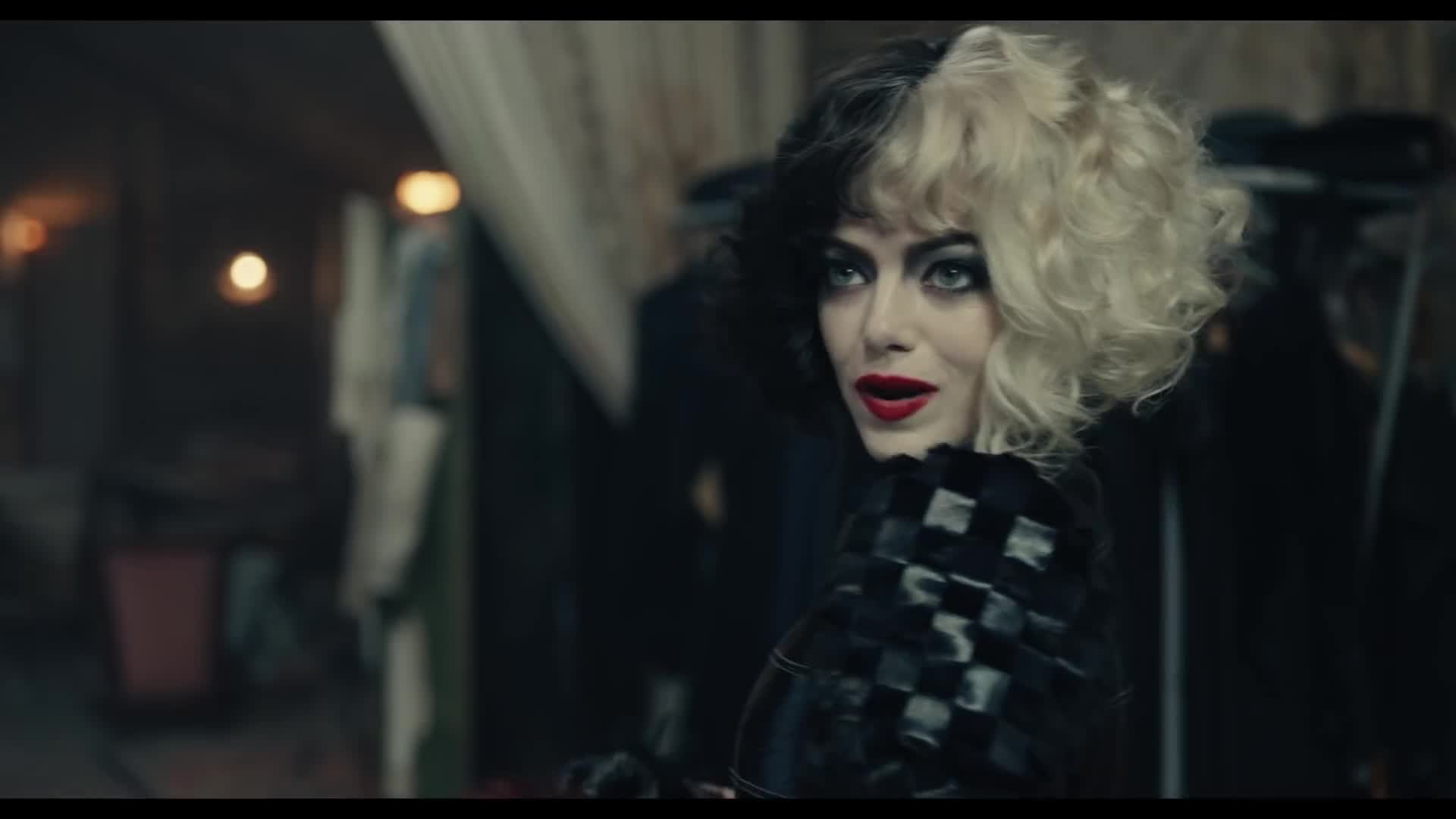
Actually, hold on, does anybody actually remember the original Disney live-action remake, when in the '90s they got Glenn Close to play the great Cruella De Vil (Emma Stone)? I feel like that's one of those films that's more remembered in peoples' minds as something that existed than it is something that people actually watched. Like, Cruella De Vil might pop up as one of Glenn Close's signature performances or characters, but I think people just like remembering that she was cast in that performance and how good a casting it was as opposed to the actual performance, which is pretty good, it's Glenn Close so of course it is, than the film itself. I kinda think the same way about John Goodman playing Fred Flintstone around that same time, like it is great casting, but did we need a live-action "The Flintstones" movie, or like, three-or-four for some reason. (Thank Christ, Disney stopped at "102 Dalmatians", which I didn't see but somehow also existed, I'm not sure why.)
"101 Dalmatians" has however, always been a bit of a weird one in the Disney canon. It's one of the very last animated features that Walt Disney oversaw as a producer, although, he wasn't nearly as hands-on as he used to be at this point, and the movie actually went really cheap in the animation part, partly because of necessity, "Sleeping Beauty" was not a box office hit at the time, and the animation studio was bleeding cash. Walt was more interested in live-action features at that time, and therefore, in order to save money, the movie became one of the first to use a really showcase a xerox-technique to transfer animations to cell, without having to go through ink-and-paint. That means it doesn't look nearly as lavish as other Disney animated films of the time, and you can tell it's a step backwards if you're really looking at it. That said, it's was a box office hit and has always generally been considered a beloved classic.
It's also always been a hard movie to promote within the Disney marketing machine. I mean, there were some toys and clothes and such, but you don't see characters from the movie on the streets of Disneyland too often, it's main characters are just a bunch of similar-looking puppies so they're not really distinctive, the main human protagonists aren't that memorable, there's no Prince or Princess, aspiring or otherwise character.... Basically, it's the only truly great Disney feature where the villain is not only the natural appeal of the film, she's also the only who's genuinely appealing and beloved because she's so evil.
(Sigh)
That might be a controversial statement to some, especially "Sleeping Beauty" people, but there's a reason I didn't speak up much when they decided to give "Maleficent" a sympathetic backstory, it's because she needed one, not that I particularly loved either of those films, but not only does "Sleeping Beauty", suck, and sorry, it's not one of their best animated films, I totally get why it underperformed at the time, but also, Maleficent was not an interesting villain before. I know she has fans, and they like how she basically cursed everybody for not inviting her to a party and whatnot, and yes, she turns into the dragon at the end, I can kinda see if you squint why she might be a cool villain, but I stand by this assessment. Her motives aren't that interesting, and she needed to be more compelling, and not simply a petty dragon bitch for the Prince to kill at the end.
And for what, because she didn't like a boring princess.
(Blows raspberries)
So yeah, redoing her backstory is, at least an interesting idea.
But Cruella?! How the hell do you reimagine and give a sympathetic and appealing backstory to Cruella De Vil? I mean, I get why every actress would want to play such a part, but why would you try to make her more sympathetic? Cruella's one of my all-time favorite villains and she's one of the most fun ones, because she's such a fascinating psychopath. I think the less we know about her reasons for why she's the way she is, the better. I mean, look at the other Disney villains, or most villains in general. They want stuff like revenge, or to control the world, or gain land and power over others or sometimes just money. But Cruella, wanted to kidnap and skin puppies alive in order to turn make a fur coat for herself! Like, what the-f-!, like, if you polled other Disney villains, they'd think Cruella was the worst, 'cause she does not act or think like those other villains, and somehow that makes her more sadistic and disturbing.
I get why people want to play her, but do you really want an explanation of why she wants that coat of many spots, or why she hates dalmatians, or they hate her? I know, I didn't want this, but I got it now, and oh boy, well, we got answers. Don't know exactly what I expected, but definitely wouldn't have gone with her MOTHER being KILLED by a DALMATIAN!!!!!!
No, I'm not kidding, that's literally what happens in the film. Cruella, who's actual real name is Estella (Billie Gadsen at five years old, Tipper Seifer-Cleveland at twelve years old) and she's an eccentric genius with goals of becoming a fashion designer. Her single mother though, Catherine (Emily Beecham), while doing all she can, ends up getting killed after trying to collect extra funds for her future schooling after Estella got kicked out of most every other school she was in. Now, an orphan, who has slight Simba-syndrome fearing that she was the reason her mother was killed, by the dalmatian...- (Eye roll) ends up becoming friends with a couple of artful dodgers in Horace and Jasper (Joel Fry and Paul Walter Hauser). Eventually, as a young adult, she manages to get internships in the fashion industry, and works her way up to the biggest fashion house in town, run by The Baroness (Emma Thompson), who eventually takes a liking to the mousey redhead gopher Estella.
The Baroness is Cruella's inevitable mentor and eventual rival in the fashion industry, and Emma Thompson is clearly enjoying licking the scenery here. I can think of a lot of actors who could hypothetically play Cruella De Vil, but Emma Thompson might be the only one I can think of who could play someone Cruella looks up to. She's like if Meryl Streep from "The Devil Wears Prada" was genuinely evil.
Eventually, Cruella learns a few things about The Baroness that I won't go into here and she begins to evolve into Cruella, which in this movie is, kinda like she turned into a-eh, eh, 1970s punk mod, fashion variant of, eh, Banksy?! I think?
Like, I'm not saying this isn't Cruella, another one of the appeals of Cruella is that she's a pretty malleable villain, and you can legitimately transport her to other places and times. Especially since her main inspiration is fashion, you can definitely transport her to many time periods and eras, visually you have an idea what a Cruella De Vil would look and seem like. It's easy to do it, like as a Halloween costume, but in terms of transporting her literately I've never been sure it's a good idea to do it. And, if anything, telling an origin story about a young Cruella, actually makes this movie feel more like, eh, fan art depictions of Cruella. It's like those pictures of Emo Thomas Jefferson from "Hamilton". Like, it's kinda cool, but it's also just, projections that probably shouldn't be taken seriously. Yeah, that's actually a really good depiction of this whole movie, it's kinda like an emotional kid's fantasy depiction of what a much more problematic character than the kid realizes, imagines she would be.
Like, I went on a slight twitter rant about how the movie's soundtrack always seemed just a little bit off despite all the songs being used actually being pretty good songs. For whatever reason, they chose to set this film, the majority of it anyway, in the late '70s, I think to help give Cruella a more punk appeal and aesthetic, which, exactly my point, but the movie also uses a lot of songs from the '60s and '70s and they're all good songs, but none of them ever feel like the right song for the moment. I said it felt like they were trying and failing to create a Wes Anderson soundtrack. But like, nothing really sounds like Cruella De Vil's music. Even her titular song, is weird because of when the original film was made and how strange pop music, especially in England in the early '60s, but it also makes trying to figure out what music she would be accompanied with a challenge. It'd be hard enough to have no limitations with music doing this, but under the Disney umbrella, this becomes even more difficult. (Did anybody even know that Ike & Tina Turner did a cover of "Whole Lotta Love".)
I don't know, I don't hate a lot of this, I just don't know if it's an entire movie. I might've been a little tempted to recommend this despite all the emo fan bait-ness of the film as an interesting mess, but then the movie even got more disturbing and confusing with a post-credits scene that...- (Sigh) yeah, I'm still knocking off stars for post credit scenes. You don't need them, everyone uses them wrong, blah, blah, blah, I don't care on this one, I give the double middle finger to anybody who thinks I'm wrong on that, but "Cruella" is such a weird mess that I do find it hard to embrace. Disney trying to do "Cruella: Portrait of a Serial Dognapper" would always just seemed bizarre, and while I have an appreciation for it, I can't quite get over the hump into recommending it. Cruella always seemed like she'd be one of your close friends, but always the one who was more fun to be around than she was good to be around, and this movie is basically that, "Cruella" is fun, but it's not good.
tick, tick...BOOM! (2021) Director: Lin-Manuel Miranda
⭐⭐⭐⭐1/2

I have to presume that at this point, Lin-Manuel Miranda basically had carte blanche as to whatever project he would've inevitably wanted to direct. I mean, this is the guy behind "Hamilton", he's the golden touch of Broadway and Disney right now, basically, he could do whatever the hell he wants. I mean, he could've directed his own musical, if he wanted, and he's a good enough actor that he could've taken any role he wanted as well. So, on the one hand it's kind of an interesting choice that he went off the beating path and while he did pick a musical, it wasn't one he wrote and it wasn't one that showed off either his acting, or even his music. That said, he didn't make it simple on himself, 'cause he picked about as loaded a project as you could get and it's not a natural musical to adapt to film to begin with, and that's before you get into the subject and creator of the musical.
So, "tick, tick...BOOM!" was, the other Jonathan Larson musical, and it's-, it's kind of an odd thing to begin with. It's a one-man autobiographical "rock monologue", that he performed Off-Broadway successfully for a couple runs over a few years. It's very insider-y, I've seen some bootleg clips of Larson performing the musical before, and there is something striking and compelling about it, and I've heard from people who did see it live just how special it was, especially Broadway people. That said, the play is really meta. It's basically a one-man play from a struggling composer/playwright about a struggling Broadway composer/playwright and his struggles to get his big show off the ground, and it's by and starring that se one-man composer telling about his struggles in a play that itself has struggled to get shown! That would be a lot, and then you have to throw in, that that composer/playwright is Jonathan Larson (Oscar-nominee Andrew Garfield).
For those who don't recognize the name, Larson's most famous work is the musical "Rent". Nowadays "Rent" has become a much more divided musical, there's either people love it or people who hate it. You don't have to look far to find people who really have issues with it; Lindsay Ellis famous did a massive takedown of the work a few years ago. I recommend that analyses very highly, 'cause I think she does make a lot of good points about it, but I'm in the camp that thinks it's great. I'm always blown away by it, I even think Chris Columbus's film adaptation is good. Now, no adaptation of it, is without flaws, admittedly, but eh, personally I tend to give it a little more slack, and since I probably won't have an opportunity to bring up "Rent" like this again, I have two big issues with most of the criticisms, and I'll use Ellis's critiques as a baseline here. Firstly, the play is technically, unfinished. Larson never got to see his production of "Rent", the day before the show was set to make it's first preview performance, Larson died due to an undiagnosed aortic dissection, most suspect from having something called Marfan's Syndrome that he was never diagnosed with. So, the play hadn't started early previews, which is when a lot of musicals make the final editing choices for the play, so, much, maybe not all, but some of the criticisms of the play, might have been figured out at that point, but since Larson passed, no changes to the musical were ever really made and it was left in it's unfinished preview state. For that reason, I'm more lenient on some of the issues that come up.
The other thing though, and I do kinda this get criticism, which is that "Rent" is not the greatest depiction/portrayal of the height of the AIDS pandemic; it doesn't necessarily have a lot to say about the actual political and societal issues regarding AIDS at that time, and you could argue it's fairly shallow about it. I don't know, I think that's overkill to bash the play for that. It's even brought up a bit in this movie, when Larson's confronted by his best friend Michael (Robin De Jesus) after Larson blows a focus group that Michael put him up for, and mentions that, all their friends are dying and he's just sitting around writing plays. He's not wrong about that, but I think there's room for seeing both the people on the battlegrounds of the pandemic, as well as the personal struggles and love lifes of those who are suffering from the pandemic and still trying to live their lives with as much fun, joy and successes whenever and wherever they could. Basically I think there's room for Jonathan Larson and Larry Kramer is all I'm saying there.
Maybe I am just a defensive Renthead, but I bet Miranda would think the same way, 'cause,-, and I guess this is kinda inevitable, but he doesn't entirely make a direct adaptation of "tick, tick...BOOM!". He also tells a biopic about Larson, which is kinda the direction the play also took after Larson's passing.
Another reason why "tick, tick...BOOM!" is weird is because there's two versions of it. There's Larson's one-man thing, but after his passing, the play was revised by David Auburn, he's most known for the play "Proof", great play btw, but he made an Off-Broadway version of "tick, tick...BOOM!" that had three actors in it. That's the version that,- well, it never did end up on Broadways but it made The West End awhile ago, and probably was the key to getting this to be filmable. Jonathan and Michael, along with his girlfriend Susan (Alexandra Shipp) are the main characters, but depending on the gender of whoever else is talking, the other two actors would take over their roles as Jonathan would narrate or sing. This is why there's such a natural scene where during a reading of Jonathan's monstrous sci-fi futuristic musical play, one that he's been struggling to finish writing, and put on at the same time, that his actress for the show, Karessa (Vanessa Hudgeons) would then turn into Susan singing the song, through Jonathan's eyes.
In fact, a lot of the movie is often just a gigantic and sometimes confused mess of mixed media slamming into each other. You got Jonathan, and all the worlds around him. His apartment, his friend's apartment, his job as a waiter, and then you got the recreation of some of these memories and moments for flashback, then you got these locations turning into musical performances in his mind, plus you have Jonathan talking and performing about all this in his one-man show, as well as the performance at the reading of his next show....- that's not even getting into the recreation of actual Jonathan Larson footage. (Some of which we also see in the end credits, so add that media to it too.) The movie got an Oscar nomination for Editing, instead of Spielberg's musical version of "West Side Story", and I totally get why. I think if you really wanted to, you could make an argument that this film is a bit of a confusing mess, but I think this is the actually the right approach. The effect is that essentially is give us a more full glimpse into the world and mind of Jonathan Larson. Larson's world was a fifth floor apartment in Lower Manhattan on Greenwich and Springs, and when it wasn't constantly getting the electricity shut off or past due on the rent, it was full of a wondrously eclectic group of devoted friends, many of which were passing away more than they should've and other were often struggling to stay in Jonathan's life while he would push them away as his find was infatuated with his latest musical projects and his obsessive need to inevitably be the biggest Broadway success. It might seem a little too cliche of a narrative outside of it being his actual life, but "tick, tick...BOOM!" is still an impressive achievement that manages to bring life to one of the most important and revered young artists of out time, and frankly Larson's work and life is inspiring, and I'm glad we get a sense of what and how he was inspired to create the works he did here.
WRITING WITH FIRE (2021) Directors: Sushmit Ghosh & Rintu Thomas
⭐⭐⭐⭐
I don't know exactly how much this should be said, but it comes up more often than it should, but anybody who goes after the press, the media, is some corrupt evil motherfucker. There is literally no reason to. You'd think that'd be obvious in a free society, but you know, the press does get bombarded and attacked much more than you'd think. You can practically trace the modern news landscape, especially in America as it's divided between legitimate center-left leaning networks that are deemed the "Liberal Media" by those who decry it, and the far-right propaganda that mildly poses as legitimate media here. And still there's people who will just constantly bash the press for several reasons. There's a reason why journalist is one of those professions that has a surprisingly high mortality rate in certain parts of the world.
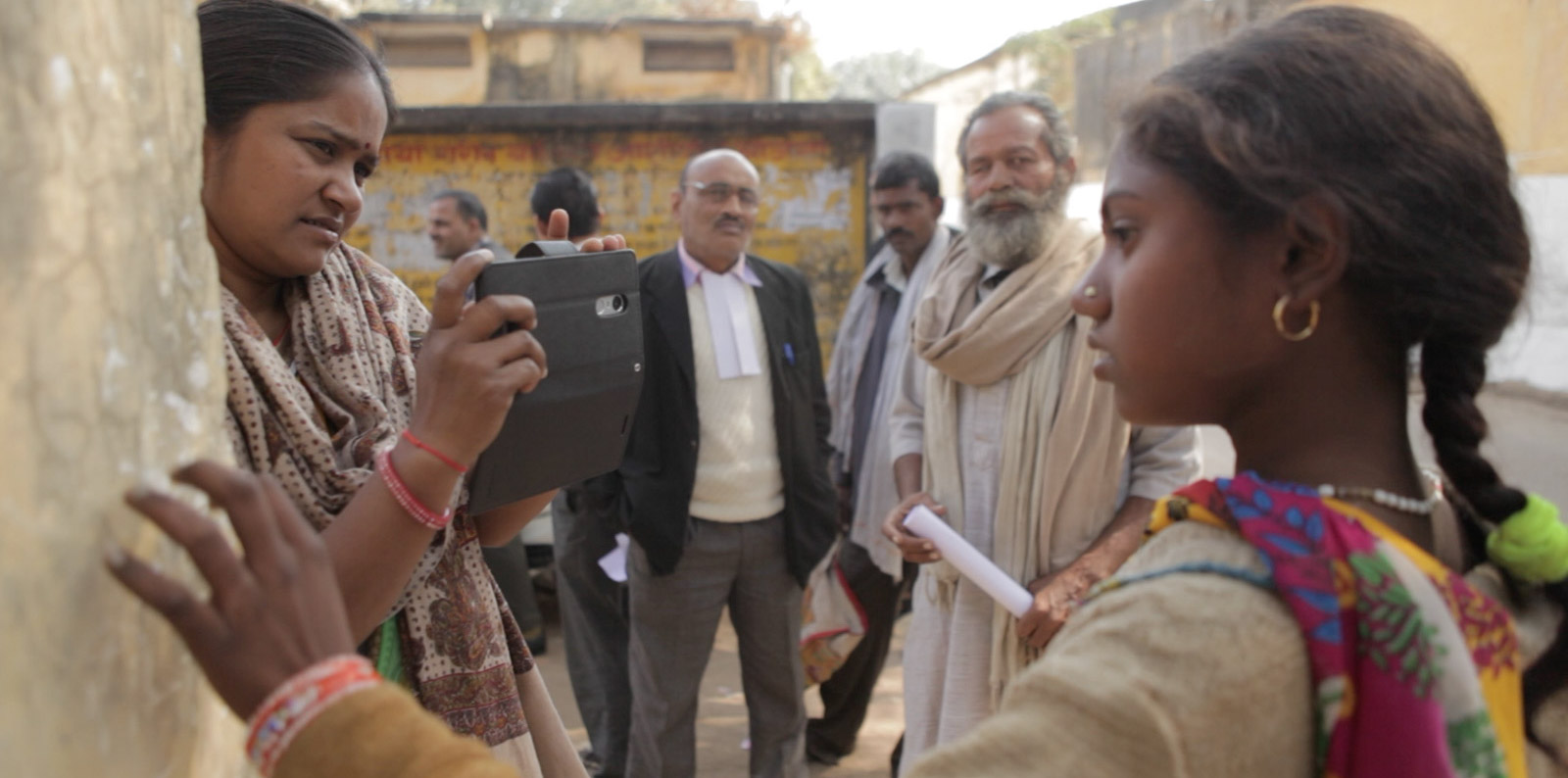
Some of the best and my favorite recent documentaries are often about the media in recent years, particularly when they're practicing journalism in some of the toughest places in the world to do so, and "Writing the Fire", the first Indian documentary to receive an Oscar nomination in the category, follows the reports of the Khabar Lahariya, a weekly-run newspaper that's entirely owned and run by Dalit women. Now,- I'm a smart guy, but the political and social structures of India are ones that have always alluded me, hell, the film industry layout in India has always alluded me, (Haha, you think it's just Bollywood, don't cha, oh boy is it not!) but India society and political structure is revolved around the archaic Caste System, and without going too deep into this, the Dalit People are on the bottom rung of the Caste System, (In fact, I've heard some say that they're not even apart of the Caste System) and they're often the most discriminated against 'cause of it. And even if you've been following recent news from India, badly, you'd know there's been quite a bit of recent tensions there, a lot of it involving biases of the peoples within the Caste System. I don't claim to know or understand all the intricacies of India and Indian politics, but I know that nobody thought this little endeavor of there's would last six months, and now, in the middle of a major election and in the middle of a epidemic of hate violence that's being protected by corruption on all levels of authority, especially by the police, the women of Khabar Lahariya, fifteen years into their newspaper are making a switch to digital. And in Uttar Pradesh, one of the biggest subdivisions of a country in the world, and one where much of the violence of the Caste system is based.
We see some desperate conditions in India, and some troubling stories about some of the treatment of the Dalit. I personally fell for the one kid who was interviewed and talked about losing a friend in school after they learned what her caste was. Meera is the current leader of the paper, and the Chief Reporter who is often the one tracking down the stories, despite her husband's wife that the paper would fail and that she's return home like a more traditional housewife and watch over the kids. The other two reporters we follow are Suneeta, who's the one reporting on the mining. She's probably the one that gets the most abuse being a reporter, literally batting their hands away from her body while trying to questioning them. Suneeta's tough though, and all journalists in India have to be, they've been getting killed as much as most, and women Dalit reporters seem like they'd be target practice, but instead, they adapted and persevered.
As they shift to a successful Youtube channel and website, and new young reporters who barely know how to use a cell phone to record themselves, reporting, they grow to become an influential and dangerous media sites in the country. "Writing with Fire", details a group of women who potential are gonna be looked back upon as among those who might've actually changed things in the world, or at least in India as the nation clumsily struggles to overcome it's inherent biases as it transfers to the modern world.
A SHAUN THE SHEEP MOVIE: FARMAGEDDON (2021) Director: Richard Becher and Richard Phelan
⭐⭐1/2

Looking over my review of the first "Shaun the Sheep" movie, it seems like I was actually fairly excited about it originally. That said, I haven't thought too much about it since, and really wasn't sure what to expect coming into, "A Shaun the Sheep Movie: Farmageddon". Mostly, I just kinda liked the real back-to-basics approach that Aardman Animation was doing with Shaun the Sheep. It's been said of their Wallace & Gromit franchise that Gromit never speaks but has all the best lines, and that's true enough, and nobody ever has any actual lines in "Shaun the Sheep" stories, just some occasional bleats and grunts and grumbles. On the one hand, I do enjoy that about the best of Aardman Animations' work, but eh, it can also just be the kind of thing you need to be in the right mood for. But, they also have to have the right sense of whimsy and "Farmageddon," almost has enough of it, but ehh....
In my aforementioned "Shaun the Sheep Movie" review, I compared the film positively, if tongue-in-cheekly to "Babe: Pig in the City", which, for the record is an underrated film. But, yeah, the Sheep and their Farmer, eh, The Farmer (John Sparkes) had to navigate their ways back out of the big city and to their home at the Mossy Bottom Farms. (Also, the Farmer had amnesia and became an in-demand hairstylist, it was a bit weird.) This film, well, their not hiding their inspirations, the big one being "E.T.:..." but basically it's a sci-fi film, with the premise, "What if Shaun (Justin Fletcher) and the rest of the sheep, come across an alien?" In this case, a small female alien Lu-La (Amelia Vitale) who basically looks more like a rabbit with some occasional alien abilities, particularly involving his ears in a Snorks-like manner. While the Sheep struggle to figure out how to get Lu-La home, and enjoy his company, The Farmer also has them working on building an Armageddon-themed theme park on the farm. I like the sequences of the sheep sitting on the beam having lunch and some of those peculiarities, those things feel right for this.
And I'm not necessarily against science-fiction elements entering the world of Aardman; my favorite "Wallace & Gromit" short is "A Grand Day Out", where they literally travel to the Moon in order to find some cheese. But, those were also characters who were seeking out strange oddities and adventures. Shaun the Sheep, I feel is more interesting when it just sticks to the farm, and only just reluctantly at-best ends up having to go on more elaborate adventures. Like, the Farmer getting amnesia and going into town and having to get him back, that's a good way to push them off the farm. But an alien coming in, I kinda think this time, they were a little too eager to go outside the farm quirks. I get that it's a movie, but, eh.... It felt like it was being bigger just to be bigger as well.
I don't know, I guess this is more of a mixed review to me, but I wasn't particularly enthralled with Shaun the Sheep this time. Maybe if I was in a better mood, perhaps, but eh, this felt like a step back the more I thought about it. Before I really got the relationship and friendship between the Sheep and the Farmer, and this time, it seemed like they were too desperate to bring in another character for us to care about instead and just for this film only, presumably. It felt like I was cheated. Perhaps if the alien stuff was a side character that only casually invaded the Sheep's world, and they were as frustrated with him as the town was and not try to go for the winking heartwarming stuff.... Eh, it just wasn't a great natural fit for me. I might be being a little hard on it, but I think they could've done better.
EVERYTHING EVERYWHERE ALL AT ONCE (2022) Directors: Dan Kwan & Daniel Schneinert
⭐⭐⭐⭐1/2
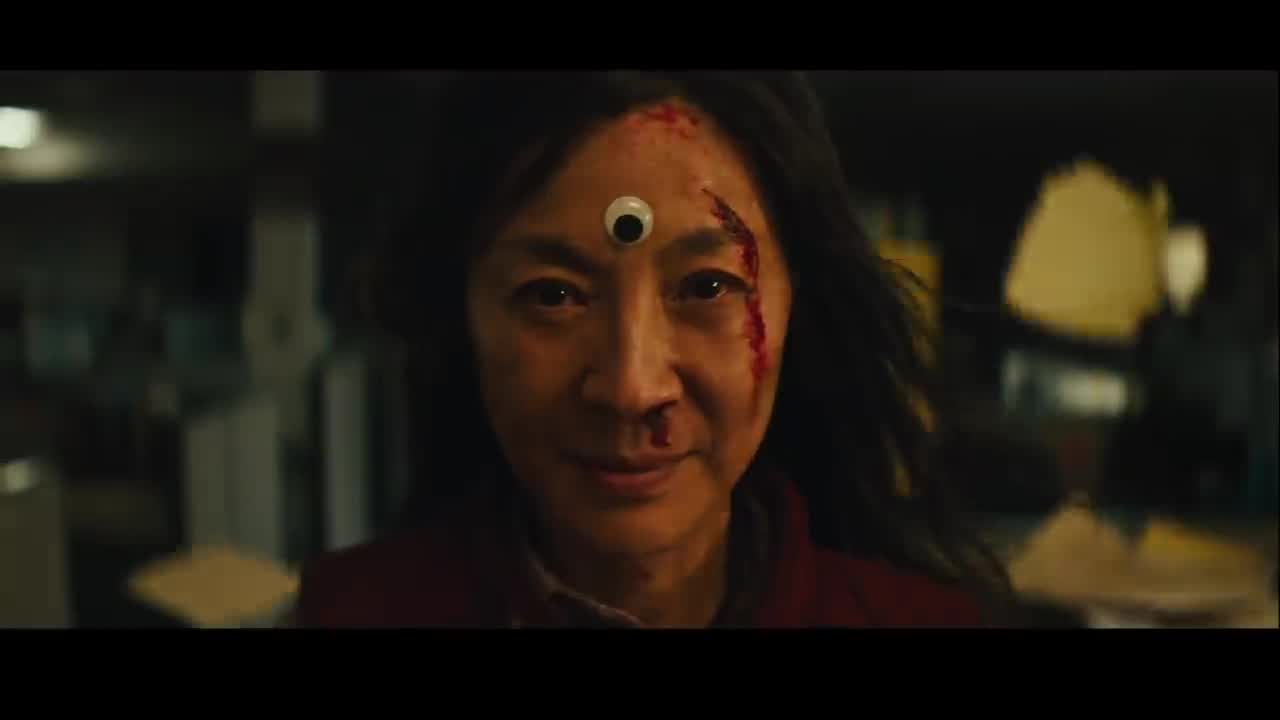
Call me Jobu.
Tupaki, if you wish. Yes, I am the one, who doesn't think "Everything Everywhere All at Once", is an absolutely, unilaterally great film. I am the cynical emotionless empty hole in the middle of the everything bagel of existence. Apparently, everybody loves this movie. It's award season, and it's popping up everywhere, and getting nominated for basically everything, and all at o-, all at the same time. But that's mainly because the awards all take place around this time, but yeah. This movie...- is, hmmm.... Well, I have a lot of thoughts on the film. In fact, for a movie that I think is really great, this review is gonna sound incredibly negative, but this is a good film. This could easily make my Ten Best List. Hell, who knows, it could be number one when I finish making this year's list a couple years from now. I can see that. Maybe another me and a different universe, would actually like this film a lot more than I do, the way most everybody else seems to. I can see how this movie is uplifting, and yet..., there's a lot of thing that does bug me about it.
I'll admit that I was worried going in, because I was not a fan of Dan Kwan and Daniel Scheinert's previous feature, "Swiss Army Man". That movie was eccentric, to say the least, and it did show that "The Daniels," as we've taken to calling them, were unique, but they definitely were absurdist and I wondered if their style of filmmaking was really going to translate that well overall, and frankly it came very close to making my worst list that year, just based on how disturbed the film made me. I saw they had talent, but if this was the story they were starting off with, a tale about a suicidal runaway who's stuck on a desert island and saved by a rotting corpse that talks to him, where do we go from there?
To be honest, even as much as I like this film, I'm a little concerned that, in order for The Daniels' aesthetic and storytelling approach to finally be more relatable and to truly crossover, that they had to create a world where it's possible to jump between multiverses. That is a concerning- well, it's not a red flag exactly, but a yellow card to me. It's not as strange and horrible as when Shane Carruth's films kept having layers upon layers of worlds within themselves, in order to shield his misogynistic and controlling tendencies, (Something that, it turned out, I was totally correct on back when everybody thought I was nuts. [stick out tongue mockingly]) but it does make me concerned....
Well, we started off normal seeming enough. The film begins with the trials and tribulations of Evelyn (Michelle Yeoh) the matriarch of the Wang family. They run a laundromat, her father Gong (James Wong) is coming into town. She's throwing a party for the neighborhood, even though she seems to be constantly alienating her customers. She's constantly frustrated with her daughter Joy (Stephanie Hsu) and still apoplectic about how to deal with her relationship with her girlfriend Becky (Tallie Medel) who she correctly notes should grow her hair longer, although some of her other constant criticisms of her family can be harsher without meaning to be. She's also struggling with her husband Waymond (Ke Huy QUAN, and yes, it's spelled with a W), who wants her to deal with the taxes and lease situations, where she is up to her eyeballs in paperwork with the IRS representative Deirdre (Jamie Lee Curtis), and is secretly considering getting a divorce. All this is fascinating and great, and then the movie turns.
That's when, through the body of Waymond, a version of Waymond from a different universe called Alpha, informs Evelyn that she's needed in order to save all existence.
I made a rant about a scene around here where their was song lyrics used in the movie's dialogue in a pivotal scene, that I didn't like on Twitter and Facebook that got a little attention. I'm kinda over that now, since it wasn't the only place the song was brought up in the film, and the way it was used in other scenes was done well, but it did strike me as lazy, particularly the song that they chose. But it wasn't just that they quoted a song that I thought was a strange choice, you see, I'll just be blunt, I think most multiverse narratives in literature, are lazy, and usually bad ideas.
I like the idea of multiverses in quantum physics, even though I do find it skeptical on a practicality level, I think it is inspiring in the scientific theory context. I get why people are inspired to explore the idea in literature, the theory itself is inspiring, it's nice to think about other worlds not as some foreign or alien presences, but as contemplative ideas on what differences other worlds would have to us, and to consider the possibilities of how much better, worst, or different our own world can be, if certain minor decisions were changed. In theory, I like the theory. In literary practice, I'm far less impressed. I guess I enjoyed it when you first begin hearing about it, and seeing it pop up, my reference point for it is that episode of "Star Trek: The Next Generation" where Worf gets caught up in a dimensional shift and he keeps alternating through multiple Enterprises in different universes. But I always thought it made more sense in that world because "Star Trek"'s whole conceit was exploration of different worlds, so the concept of finding alternative universes to our own made sense. Other characters and worlds in other universes has always felt more sketchy and cheap to me, like they didn't want to keep writing in the world that they had, so they use this idea from a mostly legitimate source of prestige as an excuse to do something completely different and retcon-, just as a way to get out of a problem without like, having to actually get out of the problem. Kinda like, how instead of coming up with a good monologue explaining how Evelyn could be the key to saving the universe and that universe jumping is just a thing that exists, instead you can just use lyrics from an old song to explain it, and just let that be accepted as normal.
Okay, so is the way the multiverse world is done here, this kind of lazy writing?
(Long pause)
Ummmm. Yes, honestly. I mean, it's done well, but-, I think another issue with multiverse narrative is that, they're not used to their full potential. It's always how one universe went crazy and now they need help from characters in other universes to help fix everything. Why doesn't anybody ever just travel to another universe because they have a better pizza place or something. Why are all these universes fighting each other, why can't people from alternative universes ever just get along once in a while? Or, go to another universe because it's just better. I actually liked the one quick little joke where after Evelyn first learns to transfer between universes and she sees herself as a successful kung fu action hero, she asks Alpha Waymond why she can't just stay there, instead. I do like that acknowledgement at least.
Anyway, on Alpha Waymond's universe, they discovered the ability to switch between alternative versions of themselves in other universes, but people have differing levels of potential for travel. And now, one villain, the aforementioned Jobu Topaki, who through the process of being able to jump between alternative versions of herself through multiple universes, is now able to feel all the emotions and decisions made by every one of the multiple versions of her at the same time, and it's made her become very, evil version of Dr. Manhattan from "Watchmen". Too ridiculously powerful for anyone to stop and completely apathetic towards existence to find anything appealing about it anymore. And, the entire, everything is basically controllable to her mind.
That's another aspect, this world of Alpha, the name of the universe given to the one that figured out how to jump into and out of other universes, has been involved in a long multi-dimensional conflict with Jobu, and either before or after or because of this, they were able tojump between universes is mostly used now for people on Alpha, and now in the world of Evelyn and Earth, to find the other versions of themselves and when needed, gain the skills and power in order to combat and defeat those they're fighting. Basically, the majority of the people of Alpha, use this universe jumping, just like that scene in "The Matrix" where Trinity just calls up and has the ability to drive a black ops helicopter downloaded into herself, and it's way cooler in "The Matrix", but it's a quick way to suddenly make Evelyn learn Kung-Fu, or whatever else she needs for the battle she's in the middle of. Again, I wish they used the universe jumping for a more inventive purpose here.
I don't know, I'm very torn on whether or not this film is as deep and emotionally powerful as it seems. The thing that inevitably makes up for a lot of these issues I have, is the acting. Pretty much every main actor I've listed I can easily see getting an Oscar nomination and possibly winning. That's the one good advantage of films with this multiverse narrative, is that you really do get to showcase the actors in all of their range. Nearly everyone inevitably plays multiple roles and several different emotions and personalities and the tone can shift drastically in several different directions, and the worlds can shift with them. In one world, there is no human life and everybody's only rocks. There's universes where human evolution, or de-evolution, really lead to everybody having long hot dog-like fingers that flail about and are quite breakable. Relationships between characters are different in different worlds, etc. etc. All the performances are great, and elevate the material ten-fold.
The editing helps too. Although, at least in my copy, there's one scene that's pixelated because of-, well I won't give away why. I- this has been a more common trend in American cinema lately and we really should be criticizing it more, but I hate pixelating nudity or bleeping out certain words just to give the movie a proper rating. (#DeathtoMPAA) It's probably one of the aspects that people will point to when they ask I was not bothered or concerned about that, but went on a bitchfest about using song lyrics as dialogue, but I called that one the second I saw what the prop used in this sequence earlier, so I wasn't surprised. And again, these are the filmmakers behind "Swiss Army Man", so I wasn't unprepared for strange and surreal.
I'm not sure I like the world they created with this multiverse narrative, and even the fact the symbolic meaning of the movie of a family getting together by showing their struggles and alternative outcomes through other universes is even particularly emotional or powerful, I'm not entirely sure it isn't also cliche as all Hell either.
And yet,..., and yet, I was emotional at the end. Yeah. It earned it, it was well-done, and well-made. Once in a while, I don't actually have to like what someone's doing to recognize it's power, and I don't like a lot of what they're doing here, but goddamn if they didn't pull it off. That "Swiss Army Man" review of mine ended with me saying that if they hadn't made a good movie yet, but when they will, it'll be a great one, and yeah, this is a great movie. I have no real qualms with all the acclaim it's getting, because everything it does, is done too well to ignore. I wonder if it's sustainable; what I do like a lot about "Everything Everywhere All at Once" does feel a lot like everything just happen to accidentally click for this one time. All at once. Sometimes that happens, a filmmaker who could annoy the hell out of me most of the time will make all the perfect decision one time. Guiseppe Tornatore for instance, he's a good example, he made other films, some are decent but only "Cinema Paradiso" is a truly great film, 'cause it was the only one where everything about him and his style of filmmaking came together and I'm a little worried that this is The Daniels's great film and everything else will just be slight from here on in. Even this great film, the closer you look the more issues you can point to with it though, issues that would probably hurt other films, but it all seemed to work here.
PLAYGROUND (2022) Director: Laura Wandel
⭐⭐⭐⭐⭐
(Frustrated sigh)
Oh boy, hole-lee Hell. Alright, well, for starters, TRIGGER WARNING!!!!, if this movie doesn't either stir up past memories of events that happened either to you, or someone you knew growing up that make you genuinely angry and annoyed, then,- well, frankly I probably don't want to talk to you then, or play with you, on the "Playground" or otherwise, or even sit near you, and I still probably don't want to talk to you. I'll say this also, um, I have a-eh, line, I bring up a lot when I talk about school during my formative years, partly as a joke, but honestly not really, 'cause there were plenty of times where it was true, and the line is that "I loved school, it was the other students who I hated". That said, in my conscience mind I tend to downplay much of the bullying that I got from other kids growing up, not that it wasn't bad, 'cause, it was bad. If I actually start listing the shit that happened to me over the years, I start to realize how traumatic a lot of it actually was, but all that said, it still wasn't, like, the worst. I certainly knew kids who actually did get it a lot worst than me. Maybe I didn't witness it, and maybe it wasn't on the playground, or even on the school grounds, hell the true worst beating I actually remembered from kids bullying me, happened with neighbor kids of mine, and it was outside of my apartment and not with fellow classmates, so it isn't just the recess playground where stuff like this happened. And, it probably was a lot fewer kids than I remember actually doing the bullying, but that doesn't mean the pain wasn't real, and when you're constantly getting that kind of pain and berating, it feels like it's everybody whether it is or not. I've brought up "Carrie" a few times over-the-years, a movie that I love and genuinely makes me, probably a little happier than it should, but if you ever go watch it again, and you get to the pig's blood scene, "They're all gonna laugh at you!" "They're all gonna laugh at you!" You know the scene, but have ever actually noticed how few kids are actually laughing? I mean, there's a decent number, but even then, you can tell that some of them are basically laughing in spite of themselves and not, actually laughing at her, like they hear other laughing they see what's going on, and then they inadvertently laughing. Yeah, you think Carrie gave two shits about that, that some weren't laughing and others didn't want to laugh, 'cause she did not care, 'cause the few that were laughing means that everybody has to fucking die! And you know what, I totally get that! If all you feel around you is the pain and suffering of being picked on and bullied every day, then it's hard to contemplate that it's often only the actions of a few, especially since it doesn't seem like anybody else is doing anything substantial to stop it.
The first feature film form Belgian director Laura Wandel, "Playground" perhaps more intensely than any other movie, gives us a real child's-eye view of what bullying and being bullied seems like. And I mean "Child's-eye view", the entire movie is shot from the perspective of Nora (Maya Vanderbeque), the five-year old who's entering into public school for the first time, and effect is kinda chilling. The camera never gets above her eyesight, and the only time we see adult's faces in the film is when they kneel down into the frame to talk to her. It's honestly jarring, even other movies I can think of where the camera is almost solely portraying a young child's perspective don't do this. The underrated Scott McGehee & David Siegel film "What Maisie Knew" is probably the closest to getting this, but that movie, while through a child's eye view, was mostly about the struggles of the adults in her world, and "Playground" really shows not only how impotent and absent adults are in the kid's world, even and perhaps especially so at school, but it also shows just how narrow the kid's world is and in many ways, just how destructive and devastating their world and the other children who do populate it can be.
Nora, we learn is the younger sister of Abel (Gunter Duret). Abel, is a couple years older, but is constantly getting assaulted and bullying in ways that are just,- ugh....
I'm not kidding btw, about the trigger warning, this movie's images are very difficult to talk about; it's why I'm bouncing around actually describing them, even if you were, or only think you were, just, "a little bullied" in school, these images can bring back some hard memories of just how bad it was and just how sociopathic some kids can truly be. Like, I said, I joke about loving school and hating the other students, but if you ever actually think about it for half a second, it is genuinely disturbing just how twisted the idea of school is. Taking a bunch of other children, most of whom you never met and might otherwise never want to be around, and forcing them together in a single place for hours on end everyday and essentially letting them interact and expecting all of them to just make friends with each other, whether any of them want to be friends or not. Kids are just forced into groups like these, without any free will of their own, and they end up separating and from each other into groups and...- (Sigh) You know, I hate that this movie is making me rant and dredge into dark recesses of my mind and subconscious, but it really is, and a lot of that might be just how much I hate bullying. Honestly, and this might be controversial, but I don't think kids are punished enough for making other kids life's miserable and horrible, especially when you're that young, you can give me any sob story about how bad their homelife is you want, and I'll still ask for the death penalty, and maybe settle for life in Juvie at least!?
I'm serious, what the fuck do these kids gain by just beating up other kids, embarrassing them, threatening them, shoving their head into a toilet full of water, on top of everything else, that's attempted murder! Assault at least! If these were adults, we'd be bending over backwards to get these people locked up, or at least I'd like to think so, but to kids these ages, it's just the life that's forced upon them. And we see it, and we see how they have to deal with it. Nora sees all this firsthand, but Abel insists she don't tell others 'cause it'll be worst! He might actually be right too.
There's a lot of aftereffects of bullying that I don't think people bring up enough and this movie shows two of them, one is that become a bully yourself, which happens as after lots of physical, mental and humiliating abuse, Abel, starts bullying another, a smaller ethnic kid named Ismael (Nael Ammama), and he doesn't do it alone, which is the 2nd thing that occurs, you end up becoming friends with the bully in order to protect yourself from getting bullied and picked on.
I've become a bully at times, thinking that I had to before, and I've regretted it ever since, (And no, I wasn't this big a bully, I didn't hurt or attack anyone physically, but I did pick on others unfairly, just because, and made their lives worst, think that that was the best way I could get more appreciated and that I absolutely regret that, and it was fucking stupid and terrible of me.) and I definitely feel like I've seen this happen enough times, were the kid that's bullied and picked on becomes friends with their abusers. I think I resisted that, if for no other reason than I was resistant to trying to have friends to begin with, but yeah, there is still some held-back anger I have towards a few of my old classmates that still lingers even today, and I wouldn't get it when somebody who was also bullied would then become friends with them. Yet, it's almost like it's both inevitable and unfortunately a design of the school system, and that's just fucked up. And Nora sees this, and knows it's fucked up, but can also tell that, well, what is their to do? Adults aren't really useful here, something they are unfortunately aware of, and kids, even those so young like Nora who are new to the world, much less school and are just trying to get a grasp on their surroundings, and they have to determine what to do next.
"Playground" brings back so intently some of these moments, that it's kinda hard to see the movie without placing yourself back there. And don't get me wrong, I'm praising the movie for this; the more I think about the film the harder it is to criticize. The directing is special, but the story is devastating. I'm glad that the ended wasn't as tragic as it could been. It's heartbreaking though too, Nora isn't just basically deciding to do the right thing, she's basically has to figure out her own values, trying to understand and contemplate what is right and wrong to begin with, much less what the right thing to do even is, and who knows, perhaps if it wasn't her brother she has to save, she might not have done anything. Perhaps both of them are genuinely lucky to have each other, or else things might've ended up differently for both of them.
THE ONE AND ONLY DICK GREGORY (2021) Director: Andre Gaines
⭐⭐⭐⭐1/2
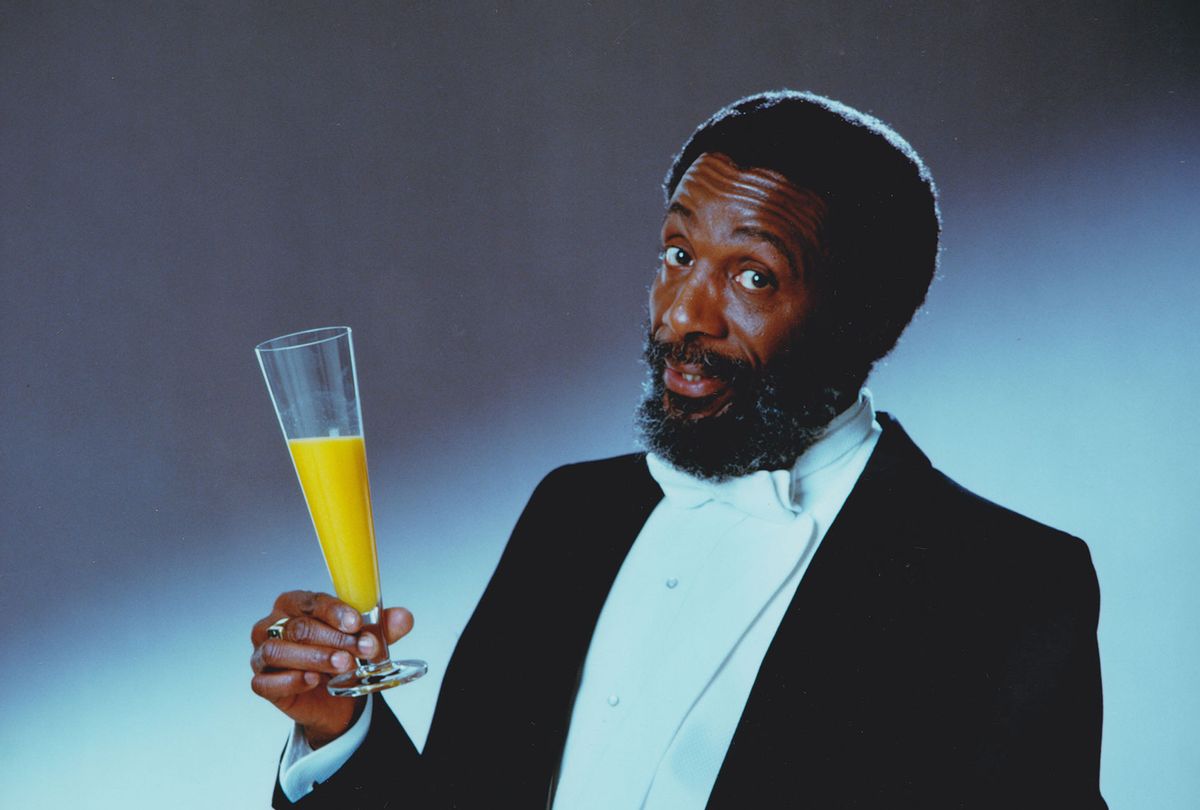
"Five black guys walk into the middle a jewelry store, they just stand there and everybody looks up and stares at them. While they doing that, five white guys come in behind them, and steal all the jewelry."
That's always been my personal favorite Dick Gregory joke, it might've probably been the first joke of his I'd ever heard admittedly so but it's the also the one that stuck with me (Although I nearly fell out of my chair laughing when I heard that joke in this documentary about how Krushev and Kennedy fighting and both have a button that could blow up the world, and the real frightening thing being that JFK's button is in Caroline's playroom.) It was some obscure clip of him on one of those old variety shows he would appear on, I think it was apart of an old Comedy Central list of the Greatest stand-ups of all-time. The second time I ever came across Dick Gregory, wasn't for his stand-up work, it was, curiously in a high school Street Law class. We were looking up First Amendment Supreme Court cases and Gregory v. City of Chicago came up, as he had led a protest and gotten arrested, along with several others, the police claiming that they started a riot and disobeyed a police order. He won that case btw, unanimously at that, that they were not given the right to peaceably assemble.
I'm so glad a documentary like "The One and Only Dick Gregory" exists, because he really is one of the true greats and one of the ones who really does get forgotten sometimes. The film documents every aspect of his long, profound and often strange career. Or careers, you can legitimately argue that he might be more well-known as an activist than as a comic at some points in his life. The guy went on an 18-month fast to protest the Vietnam War. He was friends with Medgar Evars and Martin Luther King, and march and protested and got arrested with them, several times. He was even shot once. None of that stopped him either. All through the late '70s and '80s, he would go on several cross-country runs in support of several different causes. He started out as a smoker on stage, and there's a great clip where Chris Rock compares their early stand-up style of Gregory to Dave Chappelle and how they used their cigarette smoking for timing. And yes, this is a really good comparison by the way, there's a lot of Dick Gregory in Dave Chappelle. I don't know if it's exactly a direct influence, but those two have very similar temperaments, Including, not doing a ton of stand-up for long periods of time and following their own particular muse wherever it may take them, or at the cost of their wealth and family. For awhile, Gregory was just as known as some kind of health food guru through his vitamin supplements that he would create, which would make him rich, but would also eventually bankrupted him.
In his later years though, he kinda essentially made a comeback as an African-American elder statesman activist and entertainer, making TV and film appearances, often to get medical insurance through SAG, oddly Gregory rarely made films earlier in his career. Most of his television appearances were as guest on various talk shows like Jack Paar. I was shocked to look up his IMDB page and see how often he turned up in stuff in recent years. He had basically become that cranky old man at the end, but he had nothing to lose and had the right and ability to say whatever-the-hell he wanted at that point, and starting working the nightclub scenes again. Dick Gregory may not have always tried to be funny, but he always was able to be funny and few were as observant and witty as he was. And because there was so little of his standup through most of the prime years when standup was regularly recorded, he tends to get overlooked and sometimes forgotten. That stand-ups list Comedy Central made that I referenced earlier, he was ranked 85th on that list, and that was a list done by fellow standup comics at the time, and that was twenty years ago, and I remember thinking at the time, after only seeing a few moments or clips of him and not knowing about him beforehand that that must've been low, mainly by proxy of people just not knowing about him. Even Rob Schneider admitted in the film that after he met Gregory at Comedy Central's famous Hugh Hefner roast, and seeing him perform he only knew that he was funny and casted him in a scene in "The Hot Chick" not really knowing all the other things he had done. Hefner is the one that basically gave Gregory his career too, having him perform at the Playboy Club back when most clubs wouldn't allow black stand-ups and purportedly he killed in front of an all-southern audience for two straight hours one night.
I don't know about whether or not this is truly a great documentary, with a lot of these entertainment biodocs it can be difficult to discern the greatness of one over the other as they can so easily blend together a bit, but I'm definitely happy this one exists more than most. Dick Gregory could easily go down as a minor footnote in comedy, and hell, some might argue that he's thought of as an activist than a performer, and even then, he hung around and worked with so many more well-known and culturally-recognized activists that he could've easily been forgotten to time, and that should just not happen. Documentaries are ultimately about preservation and this is one of the best preservations and "The One and Only Dick Gregory" does a damn good job and preserving and telling his story and legacy.
And hey, it wasn't in the movie, but did you guys know he was the blind panhandler who's pretended he didn't know that his pants kept falling down in "Reno 911!"? Yeah, that was him! Shame on me for not knowing that immediately.
WHO WE ARE: A CHRONICLE OF RACISM IN AMERICA (2021) Directors: Emily Kuntsler & Sarah Kuntsler
⭐⭐⭐⭐⭐
I'm sure there are ways to go about criticizing "Who We Are: A Chronicle of Racism in America", but I don't want to write them. I don't want to criticize this film, so I'm not going to. Not just because I'm a cis white male, and it'd be in poor taste,- besides I'm not using the negative tense of the word "criticism" anyway, I'm talking about positive criticism as well; I just don't want to write any for this film. What would that do? What point would I possibly make doing it? This isn't a movie to criticize, it's a movie to listen to. To learn something, and perhaps learning a deeper truth about America.
I'm gonna use another word that I'm told that people automatically just hear and only instantly think of the most negative connotations of it, "lecture". That's probably my mother's most hated word, she can't say the word without a vile tinge in her voice 'cause of how much she genuinely hated school growing up. I never had a negative interpretation to it, 'cause lectures aren't just negative. Sometimes, the best way to be taught or learned something is by someone, just standing up and talking about it. Maybe with the help of some props an overhead projector, and-eh, I don't know, I guess a powerpoint presentation these days, and that's mainly all this is. "Who We Are: A Chronicle of Racism in America" is just that, and frankly, I don't even want to say something like, "It's a good lecture", 'cause that would indicate a determination of quality, a criticism, if you will. It's a brief Introduction to the story of Racism in America, and if anybody, black, white, whatever, has ever actually looked into, even a microscopic modicum of the history and actual connections and entanglement our nation's history has had with racism, then, well, you know how solemn this subject matter is, so-eh,...
Yeah, what do you want me to do, criticize the interview approach that Jeffrey Robinson had when interviewing Eric Garner's mother? Yeah, I'm not doing this thing, not for this movie. Even if I did have a negative thought like that, would I gain anything from expressing minor quibbles like that? No. "Who We Are..." is mainly Jeffrey Robinson, the ACLU lawyer who started the Who We Are Project after decades as a major D.C. criminal defense attorney and civil right lawyer, talking about how the United States and racism, white supremacy in particular are so deeply intertwined from the very beginnings of our history, that they continue to effect us to this very day. Occasionally, he'll jump in with clips and other performances from his travels around the country, I don't want to go into the specifics of these clips, because all of them are just part of the full presentation and doing so would just be a regurgitation of the facts learned in this movie.
Well, maybe not entirely learned, some things I knew before this film, it doesn't always mean that I contemplated the gravity of some of those facts. I think that's always the real key to history lessons, especially when it comes to something like this especially is being able to connect the past to the present and a lot of people seem to look at history as though it happened so long ago that none of it matters as much as it does now. And that's not even taking into account how history, actual history, can get rewritten, changed, misinterpreted. There is one scene in the beginning of the movie I will discuss, where Robinson talks with some Confederate flag waving idiot trying to decry how slavery wasn't the cause of the Civil War, and how he's confronted with the obvious facts that of course slavery was the entire reason the war happened, and how he stills rejects it. Robinson doesn't continue to combat him, and just says thanks for talking to me, and shakes his hand off. I've done stuff like that before too, and I've had days where I didn't as well, and I get why it's not worth continuing. It's the only real, questionable-in-authenticity moment, but y'know, it's not worth really picking apart as to whether or not it was staged, or they find a guy and bring him in to talk....- even if it was pre-planned, it's no more pre-planned than anything else, and besides, this movie is a lecture anyway, or course it's planned out, you don't improvise a lecture anyway.
So, yeah, I don't want to say anything else about the film, I just want to tell people to watch it, and take it in. Does it cover everything, no, not in a two hour movie are you gonna be able to express every historical aspect of America's relationship with racism, but it gives you a more complete sense of how indisputably America is connected to racism and white supremacy.